

The complete guide
Choosing a Golf Rangefinder with Slope and Flag Lock
Take some guesswork out of distance
An uphill flag can look closer than it plays. A downhill approach can leave you wondering whether the distance you see tells the whole story. When you are between clubs, having another piece of information can help you make a more considered choice.
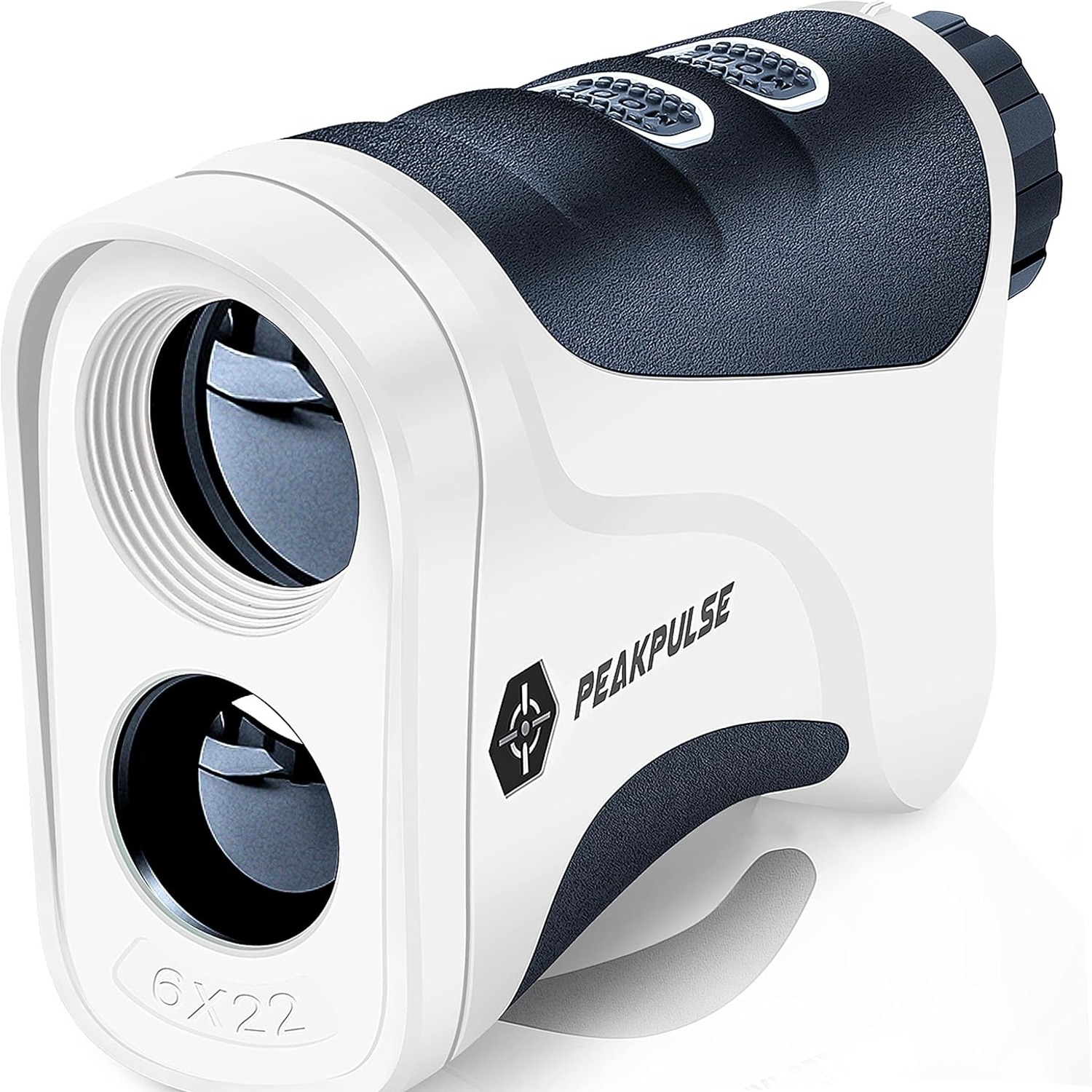
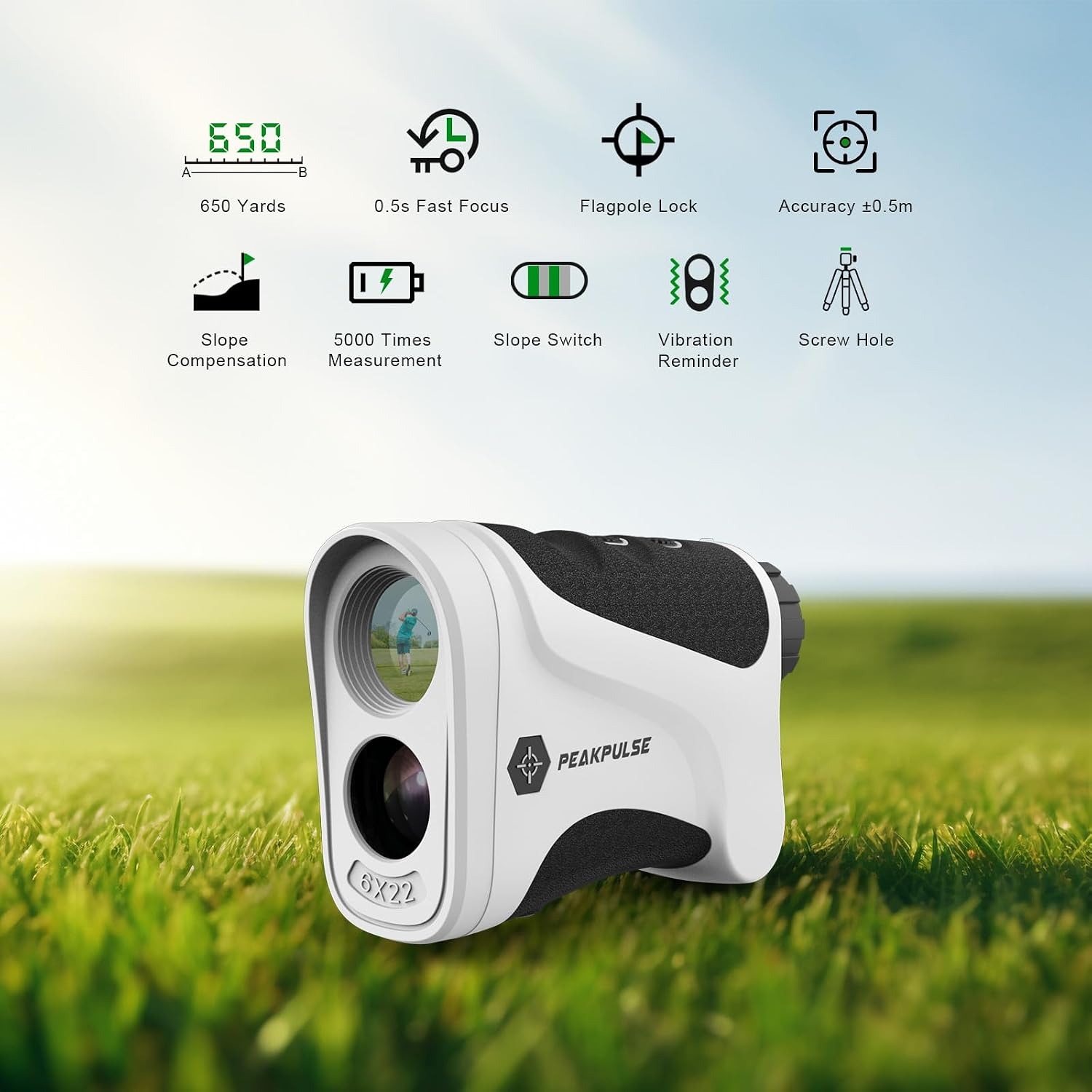
This Golf Rangefinder with Slope combines target distance measurement with an adjustment for incline or decline. It also has flag acquisition with vibration, so you receive a physical signal when the device locks onto the flag.
It will not choose a club for you or account for every part of a shot. Wind, lie and your own carry distances still matter. Think of a golf distance finder as a measuring tool that supports your judgement rather than replaces it.
Understand what slope adds
A straight distance reading and a slope-adjusted reading answer slightly different questions. One tells you how far away the target is. The other accounts for whether that target is above or below you.
That distinction matters when you play holes with changes in elevation. This golf slope rangefinder is intended to help assess those shots, giving you an adjusted figure to consider before selecting a club.
The slope function can be switched off. That is useful when you want distance information without the slope adjustment. Before buying, consider whether your usual course has enough elevation change for this feature to matter to you.
A flat course does not make the device irrelevant, since it also measures distance. It simply changes how often you might choose to use slope assistance.
Know what flag lock tells you
A flag can be hard to pick out against trees or other objects. A rangefinder with flag lock is designed to help acquire that target, and this model provides a short vibration as confirmation.
The pulse is a helpful cue, but careful aiming still matters. Take a moment to look at the target and consider whether the reading makes sense for the shot in front of you. If it seems unexpected, aim again rather than rushing the decision.
When comparing a golf rangefinder with vibration, look beyond the feature name. Think about whether you value a physical signal when measuring. Some golfers may find it useful to feel confirmation rather than depend only on what they see through the viewing lens.
Match the stated range to your needs
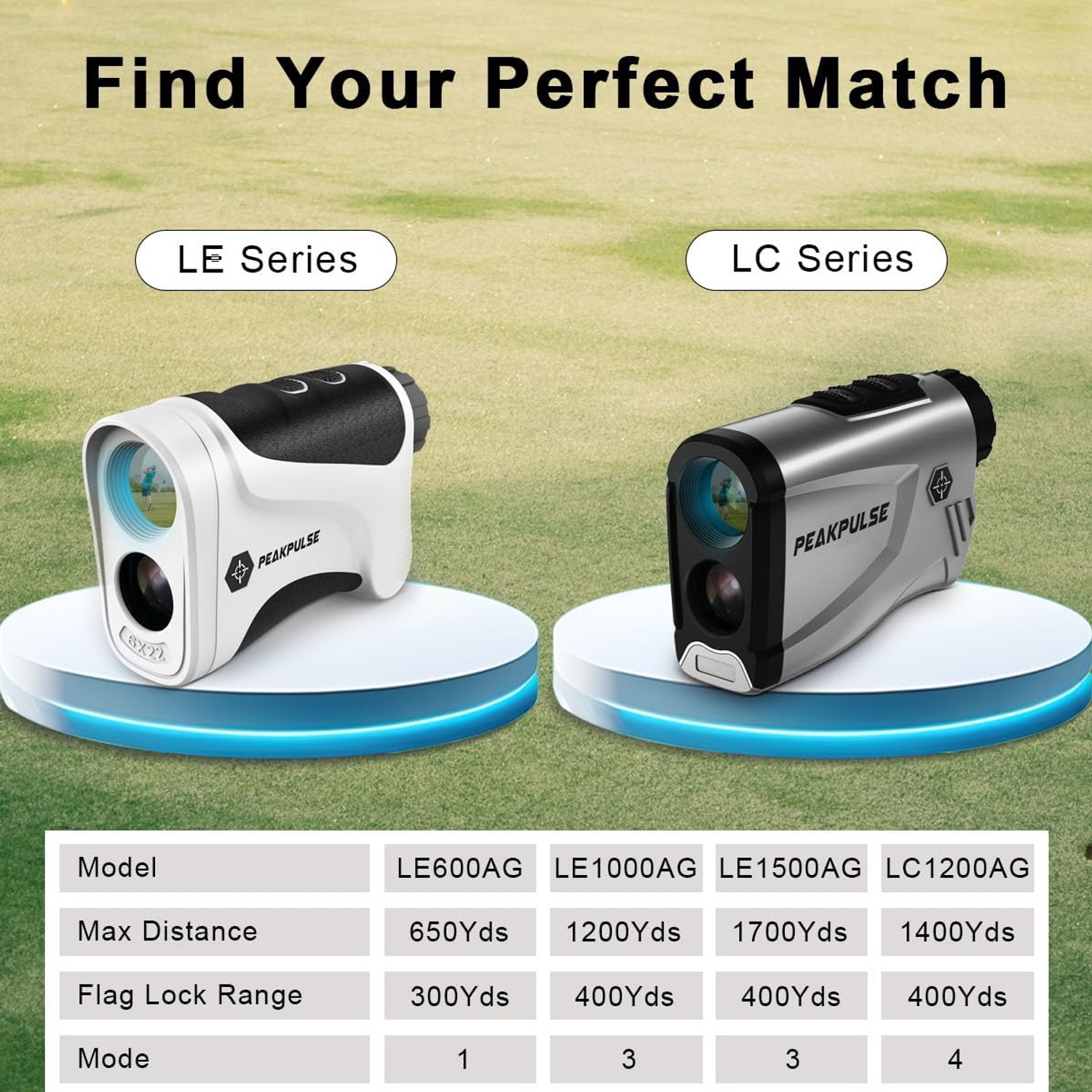
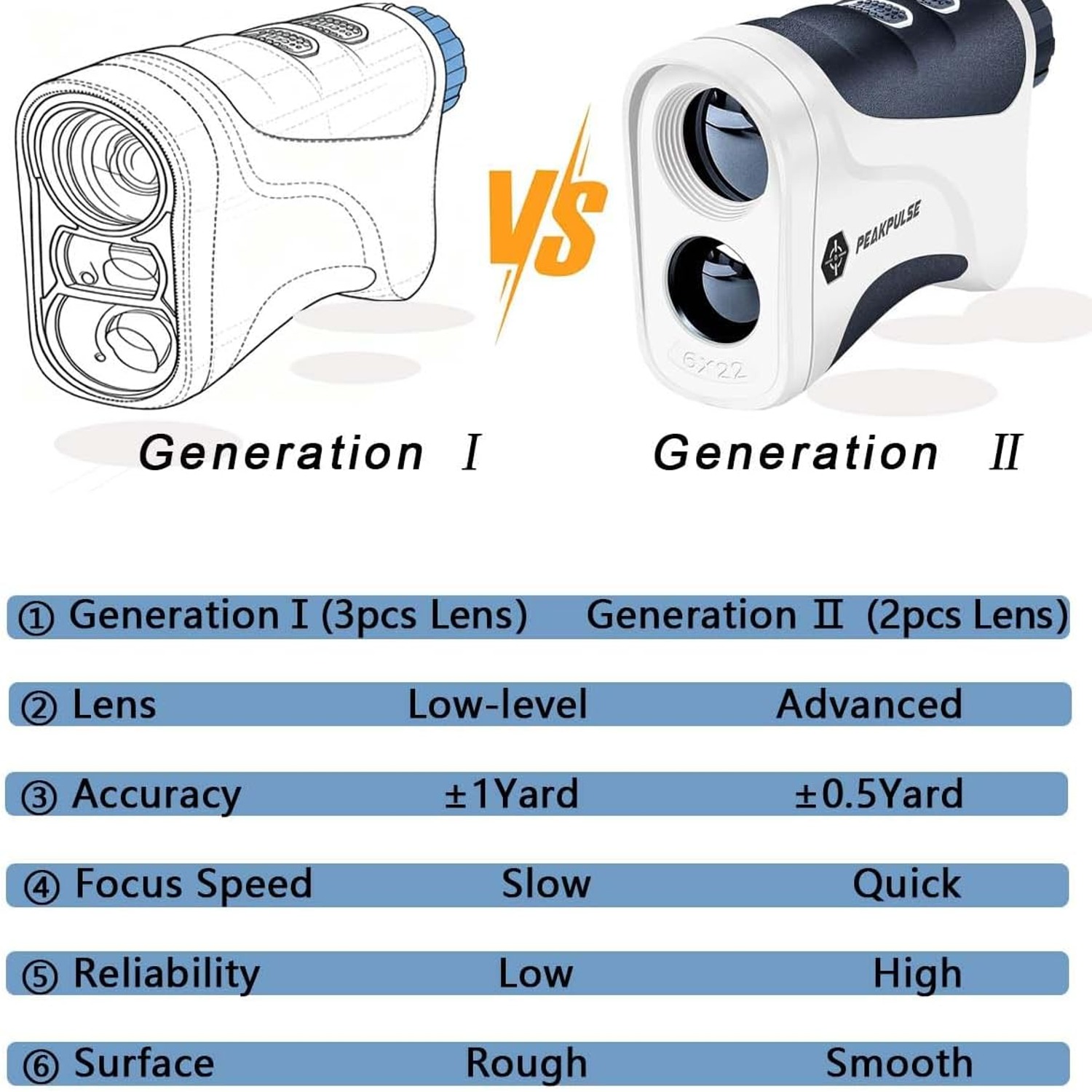
The stated measuring range is 6 to 650 yards. The maker's description also gives a measurement error of ±0.5 yards. These are the supplied figures, not a promise that every target in every setting will produce the same result.
A separate range for locking onto flags is not stated. That distinction is worth noting when comparing products. A general measuring range should not be read as a confirmed flag acquisition distance.
Start with the shots you actually measure during a round. Consider approach distances, the targets you like to check and how you use distance information. A useful comparison is based on those needs, not only on the largest number in a specification table.
Look at the optics and focus
This 6x golf rangefinder has adjustable focus. Magnification brings the target into a closer view, while focus adjustment helps you see it clearly through the device.
Give yourself time to set the focus before you depend on a reading. Trying to aim through an unclear view adds an avoidable distraction. Follow the supplied instructions for the adjustment rather than assuming it works in the same way as another device you have used.
The maker does not specify lens coatings, eye relief or display details. If any of those points are important to you, ask before ordering. An adjustable focus rangefinder can offer a useful feature without answering every question about viewing comfort.
Check size and handling before buying
The listed dimensions are 11.4 cm long, 3.8 cm wide and 7.6 cm high. Its weight is 164 g. Those measurements give you a practical basis for checking where it will fit in your bag.
If you are shopping for a lightweight golf rangefinder, compare actual weights rather than relying on the word “compact”. You can also mark out the dimensions on paper to get a rough sense of the body size.
A screw hole is listed for mounting. However, the thread size is not given, and a mount is not confirmed as an included accessory. If you plan to use that feature, check compatibility before purchasing anything to attach to it.
The maker gives no left- or right-hand designation. Golf swing handedness and comfort holding a measuring device are separate questions, so consider your own grip and access needs.
Plan for the battery
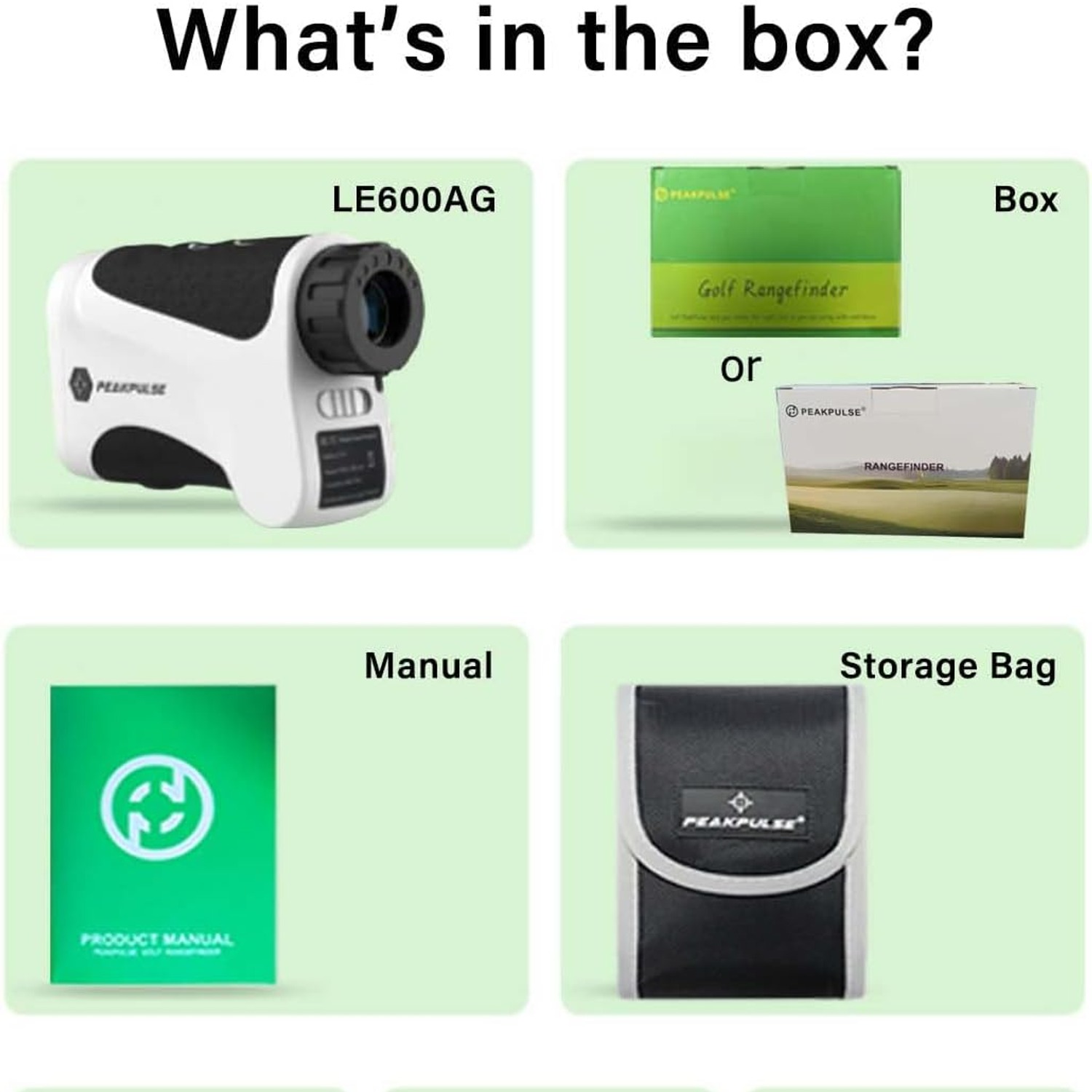
Batteries are not included. The battery description is lithium, but the exact format is not stated. That is a detail to settle before the rangefinder arrives, especially if you hope to use it straight away.
Do not assume that any lithium battery will fit. Confirm the correct type from the supplied instructions or with us before buying one. Rechargeability and a charging method are also not confirmed by the maker.
Automatic shutoff after 8 seconds is a listed feature intended to conserve power. It does not tell you how many rounds a battery will last. The maker gives no battery-life estimate, so avoid planning around an assumed figure.
For a gift, resolving the battery requirement in advance can make the handover more useful.
Decide whether it suits your golf
A golf rangefinder for beginners can provide a way to connect measured distances with club choices. The learning comes from comparing those readings with what your shots actually do over time.
More experienced players may be interested in the combination of slope adjustment and flag acquisition. Neither feature removes the need to judge conditions, but both provide information that can form part of a pre-shot routine.
For someone comparing a golf rangefinder for hilly courses, switchable slope is a relevant feature. For someone who mainly wants a basic distance reading, it is worth asking how much they will use the adjustment.
The best golf rangefinder for your needs is the one whose features match your rounds, handling preferences and budget. A longer feature list is not automatically a better fit.
Check competition rules separately
Do not assume that a golf rangefinder with slope switch is allowed in every competition. Turning slope off and having permission to use a device are not the same thing.
Check the rules for the event before you play. If the instructions are unclear, ask the organiser whether distance-measuring devices are permitted and what restrictions apply.
The maker does not establish compliance with any governing body's rules. Treat event permission as a separate check, not as a benefit guaranteed by the presence of a switch.
Doing that check ahead of time also avoids learning a new restriction while you are preparing to tee off.
Treat the weather rating with care
The specification table lists IP54. Although the source also uses the word waterproof, that wording should not be taken as permission to submerge the device or leave it wet in storage.
Keep exposure limited and follow the instructions supplied with the product. If the exterior gets damp, dry it before putting the rangefinder away. Avoid storing it in a humid place or leaving it exposed to high temperatures.
A laser distance finder for golf is an optical device as well as a piece of outdoor equipment. Sensible handling matters. Keep it somewhere secure where it is unlikely to fall, rather than balancing it on a high or unstable surface.
Clean and use it safely
Use a soft optical cloth for the lenses. Avoid abrasive cleaning materials, and do not open the housing to clean inside it. If a fault develops, seek support rather than attempting a repair.
Laser safety deserves attention before the first use. Never point the laser at another person, and never look into its emission opening. Do not look at the sun or strong light through the rangefinder.
Do not view the laser through another optical instrument, such as binoculars. Keep the device out of reach of children and read all supplied safety instructions.
These habits are part of owning the product, not optional extras to learn after a problem occurs.
Confirm the pack and purchase details
The listed pack quantity is one. A case, strap, mount and cleaning kit are not clearly confirmed, so do not build your purchase decision around receiving them.
If you are choosing a golf rangefinder gift, check what the recipient already uses. Slope readings and vibrating flag lock may be welcome, but personal preferences about size and viewing comfort still matter.
Delivery timing is not specified by the maker. Check the estimate for your address before ordering, particularly when buying for a birthday or planned golf trip.
The maker description states a one-year warranty. Change-of-mind returns are available within 14 days of delivery, with customer-paid return postage, alongside rights under South Africa's Consumer Protection Act 68 of 2008.
The short version
Choose this model if you want switchable slope adjustment, vibrating flag acquisition and 6x magnification in a 164 g device. Its stated range is 6 to 650 yards, and batteries are not included.
Confirm the battery format, any needed accessories and event rules before buying. Then use the readings for what they are: useful distance information to weigh alongside your own knowledge of the shot.